Table of Contents
As a former kindergarten teacher and current parent of two young readers, I’ve seen countless children’s biography series come across my desk. When the Little People, BIG DREAMS books first appeared, I was skeptical—another simplified biography series promising to inspire young minds. But after reading dozens of these books with my own children and using them in classroom settings, I’ve developed a nuanced perspective that goes beyond the marketing hype.
Parents and educators today face a real challenge: finding engaging books that introduce diverse role models to young children without oversimplifying complex lives. The Little People, BIG DREAMS series attempts to solve this by condensing remarkable lives into 32-page stories accessible to children as young as two. But does this format truly serve the inspiring stories it promises, or does it sacrifice depth for accessibility?
Key Takeaways
- Excellent introduction to diverse figures but lacks historical context that older children need
- Visual storytelling shines with distinctive art styles that captivate young readers
- Digital format has limitations—the physical board books are better for toddler hands
- Best as a conversation starter rather than a comprehensive biography
- Age appropriateness varies significantly between the board book and standard editions
Quick Verdict
Best for: Parents of toddlers through first graders seeking visually engaging introductions to diverse historical figures. The series works particularly well for bedtime reading and classroom read-aloud sessions where the emphasis is on inspiration rather than detailed historical accuracy.
Not ideal for: Children older than 7 who need more substantive biographical content, families seeking in-depth historical context, or those who prefer interactive digital features in their e-books.
Core strengths: The series’ greatest strength lies in its curation of diverse role models—from Frida Kahlo to Muhammad Ali—presented with consistent, beautiful illustrations that immediately capture children’s attention. The 32-page format is perfectly paced for young attention spans.
Core weaknesses: The simplification of complex lives sometimes borders on oversimplification, missing opportunities to discuss the historical challenges these figures faced. The digital version lacks the tactile experience of the physical books, which are superior for young children.
Product Overview & Specifications
The Little People, BIG DREAMS series, published by Frances Lincoln Children’s Books, represents a careful balancing act between accessibility and substance. Each book follows a similar template: childhood introduction, challenges faced, achievements, and legacy—all compressed into a narrative that young children can comprehend.
| Specification | Details |
|---|---|
| Page Count | 32 pages |
| Recommended Age | 2-7 years |
| Reading Level | Kindergarten to Grade 3 |
| Format | Digital (Kindle) |
| File Size | 7.6 MB |
| Publication Date | January 19, 2021 |
| Series | Little People, BIG DREAMS |
| Key Focus | Multicultural biographies, inspiration |
What these specifications don’t reveal is the editorial philosophy behind the series. Each biography is carefully crafted to emphasize perseverance and dreaming big, with language specifically calibrated for young listeners and early readers. The consistent structure across books creates a familiar reading experience that children come to recognize and enjoy.
Real-World Performance & Feature Analysis
Design & Visual Appeal
The illustrations are where this series truly excels. Each book features a distinctive art style tailored to its subject—whimsical patterns for Frida Kahlo, bold graphics for Muhammad Ali, earthy tones for David Attenborough. The visual storytelling often carries more nuance than the text itself, with illustrations hinting at historical context that the simplified narrative might omit.
In classroom settings, I’ve observed that the artwork serves as an effective anchor for discussions. When reading about Rosa Parks, children would point to the segregated bus scenes and ask questions that the text only briefly addressed. The illustrations become entry points for deeper conversations that parents and teachers can develop based on the child’s readiness.
Reading Experience & Age Appropriateness
The reading experience varies significantly by format and age. The digital version works reasonably well for shared reading on a tablet where an adult can guide the experience, but the lack of interactive features feels like a missed opportunity. Unlike many modern children’s e-books, there are no read-aloud functions, animation, or interactive elements.
For toddlers (ages 2-4), the board book versions are far superior to the digital format. The thick pages withstand rough handling, and the physical book encourages interaction that screens can’t replicate. For kindergarten and early elementary children (5-7), the standard paperback editions hit the sweet spot—durable enough for independent handling while containing more detailed text than the board books.
The 32-page length is both a strength and limitation. It’s perfect for bedtime reading sessions, typically taking 10-15 minutes to complete. However, children who become genuinely interested in a figure often feel the story ends too abruptly, wanting more details about the person’s life and achievements.
Educational Value & Content Quality
As an educational tool, these books serve as excellent “appetizers” rather than “main courses” for learning about historical figures. They successfully introduce children to diverse role models they might not encounter elsewhere, which is particularly valuable for broadening young children’s understanding of who can achieve great things.
However, the simplification necessary for this age group sometimes flattens complex historical realities. The civil rights movement, for instance, is presented with a focus on individual courage rather than systemic injustice. This isn’t necessarily a flaw—it’s an age-appropriate choice—but parents should be prepared to provide context as children’s understanding develops.
The books include a biographical timeline at the end, which is more detailed than the main narrative. This section often contains the historical context missing from the story itself, making it valuable for older children within the target age range.
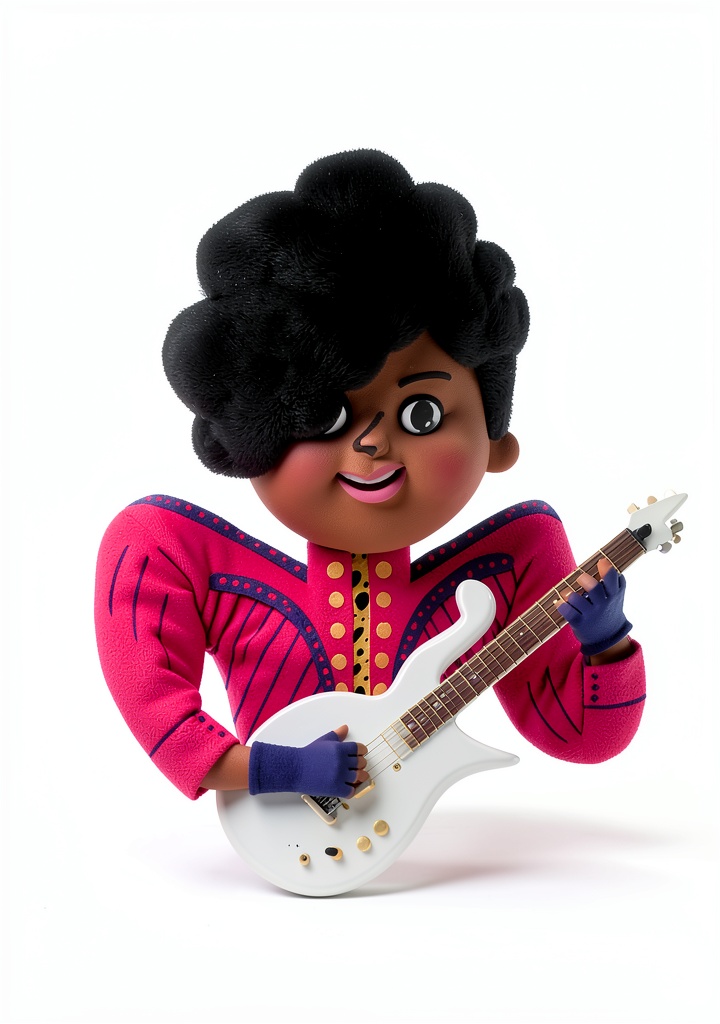 Little People BIG DREAMS book open on a tablet showing vivid illustrations during a kindergarten reading session” />
Durability & Longevity
Since we’re evaluating the digital format, durability concerns shift from physical wear to digital accessibility. The Kindle version maintains consistent quality across devices, and the 7.6 MB file size makes it easily downloadable even with slower internet connections. The lack of DRM restrictions mentioned in the product details is a significant advantage for families who want to read across multiple devices.
However, the digital format’s longevity depends on your family’s relationship with screens. For children who already have significant screen time, adding books to devices can blur the line between reading and entertainment. Many parents I’ve worked with find that physical books create a more focused reading experience for young children, while digital versions work better for travel or situations where carrying multiple books isn’t practical.
Pros & Cons
What works well:
- Diverse representation: Introduces children to figures from various backgrounds, fields, and cultures
- Consistent quality: The series maintains high standards across numerous titles
- Age-appropriate storytelling: Complex lives are made accessible without being intimidating
- Visual appeal: Distinctive illustrations that complement each subject’s story
- Conversation starters: Naturally leads to discussions about perseverance, dreams, and equality
What could be better:
- Oversimplification: Some complex historical contexts are flattened for simplicity
- Limited depth: Children who connect with a figure will need supplemental materials
- Digital limitations: Lacks interactive features common in children’s e-books
- Abrupt endings: The 32-page format sometimes truncates interesting aspects of lives
- Price point: The digital version is expensive compared to similar e-books
Comparison & Alternatives
Cheaper Alternative: Ordinary People Change the World by Brad Meltzer
Brad Meltzer’s series covers similar ground with more humor and interactive elements. The books are slightly longer (40 pages) and include timelines, photos, and more detailed back matter. At a lower price point for both physical and digital editions, this series offers better value for money while maintaining educational quality. Choose this if your child responds well to cartoonish illustrations and humorous asides, or if you want more substantive historical context.
Premium Alternative: The Who Was? Series
For children at the upper end of the age range (6-8) or those ready for more challenge, the Who Was? series provides chapter-book length biographies with significantly more detail. These 100+ page books include timelines, bibliographies, and proper historical context. The jump in reading level is substantial, but the series grows with your child in a way that Little People, BIG DREAMS cannot. Choose this if your child has outgrown picture book biographies but isn’t ready for traditional biographies.
When to choose Little People, BIG DREAMS: When you need age-appropriate introductions to diverse figures for children under 6, when visual storytelling is a priority, or when you want a consistent series format across multiple biographies.
Buying Guide / Who Should Buy
Best for beginners: If you’re new to biography series for children, Little People, BIG DREAMS offers an accessible entry point. The consistent format across titles makes it easy to collect multiple books without overwhelming your child. The visual focus helps maintain engagement even when children’s listening comprehension exceeds their reading level.
Best for educators: Teachers and librarians will appreciate the series for read-aloud sessions and diversity initiatives. The books work well for themed units (women’s history, Black history, etc.) and can be paired with activities that expand on the simplified narratives. The predictable structure helps with lesson planning across multiple sessions.
Not recommended for: Families seeking comprehensive biographies or those who prefer minimal screen time for young children. The digital format particularly isn’t ideal for families trying to limit device usage, as it blends reading with screen time in ways that can be counterproductive for some children.
FAQ
Are these books historically accurate?
They’re accurate in broad strokes but simplify complex events for young audiences. The timeline at the end of each book provides more factual detail than the narrative itself. They’re best understood as introductions rather than comprehensive accounts.
Which format is better: digital or physical?
For children under 5, physical books (especially board books) are superior. The tactile experience supports development, and they’re more durable. Digital versions work better for travel or for families with limited storage space.
How does this compare to the Brad Meltzer series?
Meltzer’s books are more interactive and humorous, with slightly more historical context. Little People, BIG DREAMS has more sophisticated illustrations and a wider range of subjects. The choice depends on whether your child responds better to visual storytelling or humorous engagement.
Is the digital version worth $8.15?
Given the lack of enhanced features, the digital version is expensive compared to alternatives. It’s justifiable if you specifically want this series and value the convenience, but physical versions often provide better value.
What age is truly appropriate?
The 2-7 range is accurate but broad. Board books work for 2-4 year olds, standard picture books for 4-7 year olds. Children at the upper end will need supplemental information to satisfy their curiosity.
Final thought: Little People, BIG DREAMES succeeds as an introduction to inspiring figures, but understands its limitations. It’s a starting point for conversations, not the conversation itself. The real value emerges when adults use these books as springboards for deeper discussions about history, perseverance, and dreaming big.


 Murder Thriller Kindle eBook St Martin's Press
  Little People BIG DREAMS Childrens Music Book Series
  JoeCopio Music Childrens Popular Music Book Kindle Edition
  In Death Kindle eBook by Berkley XRay Enabled
  Mindful Parenting Volume 5 Discipline Strategies for Toddlers by XYZ